
Takeaways:
- Some roofing companies will rely on door-to-door business after storms to generate business that seems convenient for homeowners. However, these potentially corrupt roofers may attempt to file fraudulent insurance claims or intentionally cause damage while on your roof to force insurance payouts, driving up insurance costs across Florida.
- A local, trusted roofing professional knows exactly what to do and look for during your roof inspection.
Taking a quick look at damaged shingles while standing on the ground can be just the tip of the iceberg. To get the full picture, you need a much deeper evaluation. Securing a detailed and reliable roof assessment is every bit as vital as the initial roofing work itself.
Knowing the basics of your roof’s condition at different stages of its life can help you keep yourself safe and avoid any significant expenses.
Jacksonville Roof Inspections Require a Specialized Approach
Homes in Northeast Florida deal with intense sun, heavy rain, humidity, tropical storms, strong winds, and the list goes on. These unstable weather conditions can weaken roofing materials, causing homeowners to deal with loose flashing, damaged sealants, and more.
Jacksonville roof inspections should be thorough, ideally performed by a local and trusted roofing contractor who understands how Jacksonville storm damage and long-term exposure to weather can impact roofing systems. While missing shingles are easy to spot, hidden moisture and soft decking can be harder to catch. Due to this, knowing what to look for as a homeowner is essential.
Homeowner’s Roof Inspection Checklist
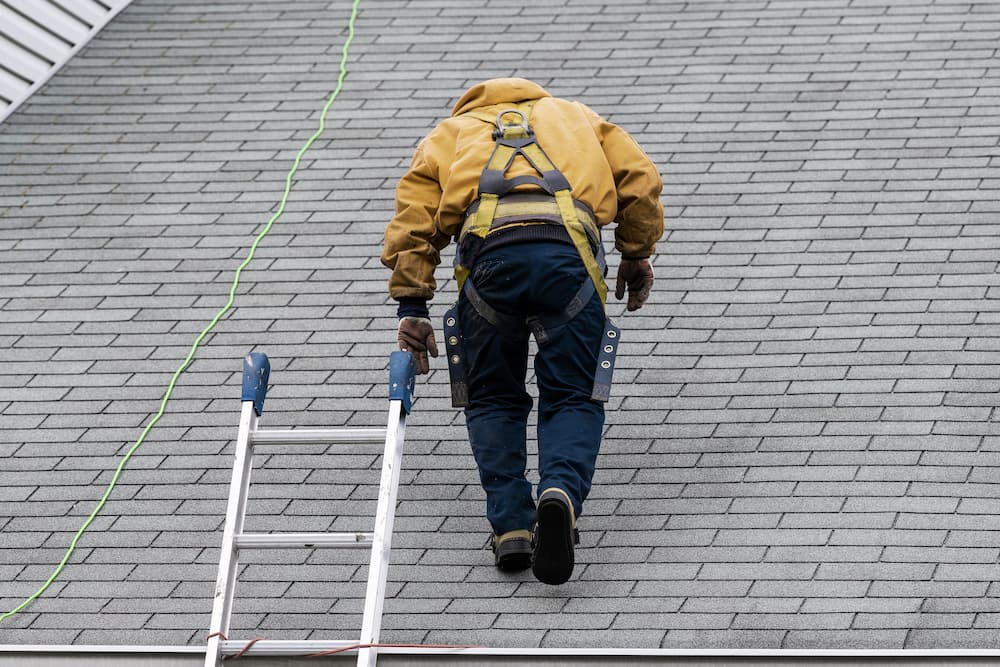
Roof access should be left to trained professionals, but knowing the main checklist of what the professional is inspecting can help you make sure you’re protected and that everything is going according to plan. The roofing professional should inspect:
- Missing, cracked, loose, curled, or worn materials
- Flashing around chimneys, vents, skylights, walls, and valleys
- Gutters, downspouts, and drainage paths
- Roof edges, soffits, fascia, and visible wood damage
- Attic signs, such as stains, daylight, moisture, or poor ventilation
- Soft decking, sagging areas, or signs of structural weakness
- Sealants around roof penetrations and exposed fasteners
Many professional roofing inspections can also evaluate ventilation systems and areas surrounding chimney caps or skylights, since these features can contribute to moisture buildup and leaks if they are not functioning properly.
Understanding Your Inspection Report: Essential Components
After an inspection, you’ll receive a written explanation of the findings. A good inspection report shouldn’t feel like a confusing technical document; it should help you understand what’s wrong with the roof and what steps to take to fix it. Most inspection reports include:
- Inspection date
- Property information
- Photos of problem areas
- Notes about the roof’s condition
- Repair or replacement recommendations.
Protecting Your Jacksonville Home By Choosing Northeast Florida’s Longest Standing Roofing Company
Serving Northeast Florida since 1946, Jack C. Wilson Roofing Co. is the region’s longest-standing roofing company, having navigated every major storm for decades. We recognize the challenge of finding trustworthy professionals who deliver quality leak repairs and re-roofing at fair prices. Our team is committed to offering cost-effective solutions without compromising on our high standards of quality assurance.
When you need a professional approach to analyzing your roof’s condition, look to a company that has stood the test of time rather than a company that may only appear after a storm. Don’t let unannounced door-knockers compromise your roof or your insurance policy. If you suspect you have a leak or need an honest, compliant evaluation from a local specialist, reach out to Jack C. Wilson Roofing Co. today.
Image Source: Andriy Blokhin/Shutterstock.com